How Virtual Reality is Shaping the Future of Online Shopping
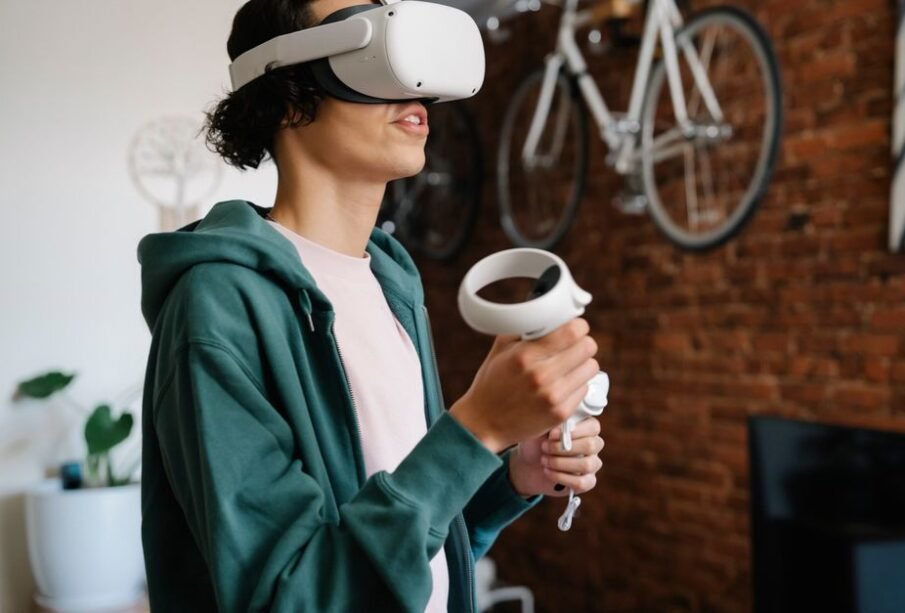
As we navigate through 2026, the landscape of online shopping has transformed dramatically, thanks to the rapid advancements in technology. Virtual Reality (VR) has emerged as a game-changer, redefining the way consumers interact with products and services. This new paradigm not only enhances the shopping experience but also bridges the gap between physical and digital retail environments. In this blog post, we will explore how VR is shaping the future of online shopping, offering insights into its benefits, applications, and the potential it holds for both consumers and retailers.
The Rise of Virtual Reality in E-Commerce
Virtual Reality has made significant strides in various sectors, and e-commerce is no exception. With the advent of affordable VR headsets and improved internet connectivity, more consumers are venturing into virtual shopping realms. Retailers are keen to adopt VR technologies to create immersive shopping experiences that can attract and retain customers.
Immersive Shopping Experiences
One of the most significant advantages of VR in online shopping is the ability to create immersive environments. Consumers can explore virtual stores as if they were physically present, allowing for a more engaging experience. This technology enables users to:
- Examine products from multiple angles.
- Interact with virtual sales associates for personalized assistance.
- Explore entire store layouts and see product placements.
This level of engagement not only enhances user satisfaction but also increases the likelihood of making a purchase, as consumers can feel more confident in their decisions.
Personalization and Customization
In the competitive world of online shopping, personalization is key to attracting and retaining customers. VR technology allows retailers to offer tailored experiences based on individual preferences and behaviors. With the integration of AI and VR, retailers can:
- Create customized virtual storefronts that cater to individual tastes.
- Recommend products based on past shopping behavior.
- Allow customers to visualize how products would look in their own space.
This level of personalization not only enhances the shopping experience but also builds customer loyalty, as shoppers feel valued and understood.
Reducing Return Rates
One of the significant challenges faced by online retailers is the high rate of product returns. Customers often purchase items only to find that they do not meet their expectations upon arrival. VR can play a crucial role in reducing return rates by providing a more accurate representation of products. By allowing customers to:
- Virtually try on clothing and accessories.
- Visualize furniture in their homes through augmented reality features.
- Interact with products in a simulated environment.
Shoppers are more likely to make informed decisions, leading to a decrease in returns and increased customer satisfaction.
Enhancing Social Shopping Experiences
In 2026, social shopping has become a significant trend, with many consumers looking for a shared experience when making purchases. VR technology facilitates social interactions, enabling friends and family to shop together in a virtual environment. This innovative approach allows users to:
- Invite friends to join them in a virtual store.
- Share opinions and recommendations in real time.
- Engage in interactive experiences, such as virtual fashion shows or product launches.
This social aspect not only makes shopping more enjoyable but also encourages collaboration and community, driving sales further.
The Future of Retail: Challenges and Considerations
While the potential of VR in online shopping is immense, there are challenges that retailers must address to fully realize its benefits. Issues such as:
- High costs of VR technology and development.
- Consumer adoption rates and accessibility.
- Privacy concerns related to data collection and usage.
Retailers must navigate these challenges carefully to create a seamless and secure shopping experience for consumers. As technology continues to evolve, it will be essential for businesses to stay ahead of the curve and invest in innovative solutions.
Conclusion
As we move forward in 2026, Virtual Reality is undeniably shaping the future of online shopping. By creating immersive experiences, personalizing interactions, reducing return rates, and enhancing social shopping, VR is revolutionizing how consumers engage with brands. Retailers that embrace this technology will not only enhance customer satisfaction but also position themselves as leaders in the ever-evolving e-commerce landscape. The future of shopping is here, and it is virtual.





-
How Virtual Reality is Shaping the Future of Online Shopping
As we navigate through 2026, the landscape of online shopping has transformed ...