
Personalization in Retail: What Consumers Expect
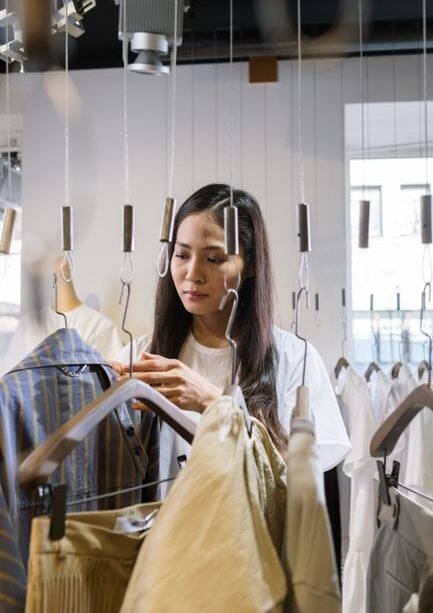
In today’s fast-paced retail landscape, personalization has evolved from a luxury to a necessity. As consumers become more tech-savvy and their expectations rise, retailers must adapt to meet their demands for tailored experiences. In 2026, personalization in retail is not just about using a customer’s name in an email; it encompasses a wide array of customized interactions that enhance the shopping experience. This blog post explores what consumers expect from personalized retail experiences and how businesses can leverage these expectations to foster loyalty and drive sales.
The Evolution of Personalization in Retail
Personalization has come a long way since its inception. Initially, it involved basic techniques like targeted emails and segmented advertising. However, with advancements in technology and data analytics, retailers now have the capability to offer advanced personalization options. Today, consumers expect a seamless and unique shopping experience that caters to their individual preferences, behaviors, and needs.
The Role of Data in Personalization
Data is at the heart of effective personalization. Retailers are increasingly utilizing big data analytics and artificial intelligence to collect and analyze consumer information. This data includes browsing history, purchase patterns, and demographic details, which can be used to create tailored marketing strategies. In 2026, the use of predictive analytics is becoming more prevalent, allowing retailers to anticipate customer needs before they even express them.
Consumer Expectations for Personalization
As personalization continues to evolve, consumers have developed specific expectations regarding their shopping experiences. Understanding these expectations is crucial for retailers looking to stay relevant in a competitive market.
1. Customized Recommendations
One of the primary expectations consumers have is for personalized product recommendations based on their preferences and previous purchases. Shoppers want to feel understood, and tailored suggestions can enhance their shopping journey significantly. For example, if a customer frequently buys eco-friendly products, retailers should highlight similar items that align with their values.
2. Seamless Omnichannel Experience
Consumers now expect a consistent shopping experience across all channels—be it online, in-store, or via mobile apps. They desire the ability to start a purchase on one platform and complete it on another without losing their personalized touch. Retailers must ensure that their systems are integrated to provide a unified experience that meets customers wherever they choose to shop.
3. Timely and Relevant Communication
In 2026, consumers are inundated with marketing messages, making it essential for retailers to deliver timely and relevant communications. Consumers expect brands to communicate with them based on their shopping behaviors and preferences. This might include personalized promotions, updates on items they have shown interest in, or reminders for products they frequently buy.
4. Enhanced Customer Service
Consumers are increasingly seeking personalized customer service that addresses their specific needs. This expectation extends to chatbots and AI-driven support systems that can provide immediate assistance based on a customer’s history and preferences. Retailers who invest in training their customer service teams to offer personalized interactions can significantly enhance customer satisfaction.
Implementing Personalization Strategies
For retailers looking to implement effective personalization strategies, there are several approaches to consider. These strategies will not only meet consumer expectations but also drive customer loyalty and satisfaction.
- Utilize data analytics to gather insights on customer behavior and preferences.
- Create personalized marketing campaigns that target specific consumer segments.
- Invest in technology that supports omnichannel integration, ensuring a seamless shopping experience.
- Train customer service representatives to provide personalized support and recommendations.
- Encourage customer feedback to refine personalization approaches continuously.
Conclusion
In the realm of retail, personalization is no longer an optional feature; it is a fundamental expectation of consumers. As we progress through 2026, retailers must embrace innovative strategies that cater to the individual needs and preferences of their customers. By leveraging data analytics, enhancing communication, and providing seamless shopping experiences, businesses can not only meet but exceed consumer expectations. In doing so, they will cultivate lasting relationships and foster a loyal customer base, ensuring long-term success in an increasingly competitive marketplace.



-
Personalization in Retail: What Consumers Expect
In today’s fast-paced retail landscape, personalization has evolved from a luxury to ...