
Navigating Supply Chain Challenges in a Post-Pandemic World
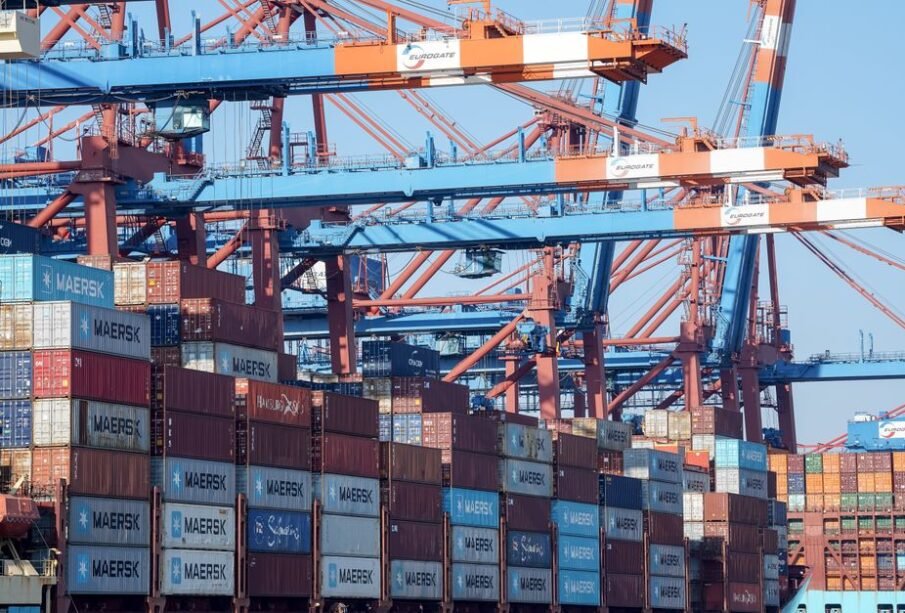
As the global economy continues to recover from the disruptions caused by the pandemic, businesses worldwide are grappling with unprecedented supply chain challenges. The complex interplay of factors such as labor shortages, rising costs, and shifting consumer behaviors has created a landscape that demands strategic navigation. Understanding these challenges and implementing effective solutions is essential for companies aiming to maintain operational efficiency and competitiveness. In this blog post, we will explore the key supply chain challenges in the current landscape and provide actionable strategies for overcoming them.
Understanding the Current Supply Chain Landscape
The post-pandemic world has transformed the supply chain landscape in several ways. Businesses are now faced with unique challenges that require adaptive strategies and innovative solutions. Key issues include:
- Labor Shortages: Many industries are experiencing significant labor shortages due to ongoing health concerns and shifts in workforce priorities. This shortage has led to delays in production and distribution.
- Increased Transportation Costs: Rising fuel prices and logistical bottlenecks have resulted in increased transportation costs, impacting overall supply chain expenses.
- Supply Chain Disruptions: Natural disasters, geopolitical tensions, and ongoing pandemic-related restrictions continue to disrupt the flow of goods and materials.
- Changing Consumer Demands: Shifts in consumer behavior have created fluctuations in demand, making it difficult for businesses to predict inventory needs accurately.
Strategies for Navigating Supply Chain Challenges
While the challenges may seem daunting, businesses can adopt several strategies to navigate the complexities of the current supply chain environment effectively.
1. Diversify Suppliers
Relying on a single supplier can be risky, especially in times of uncertainty. Businesses should consider diversifying their supplier base to mitigate risks associated with supply chain disruptions. This approach allows companies to:
- Reduce dependency on a single source for materials
- Enhance bargaining power
- Identify alternative suppliers in case of emergencies
2. Invest in Technology
Technology is a crucial enabler for improving supply chain efficiency. Investing in advanced technologies such as artificial intelligence, machine learning, and blockchain can provide businesses with valuable insights and streamline operations. Key benefits include:
- Enhanced visibility into supply chain processes
- Improved demand forecasting
- Automated inventory management
3. Foster Strong Relationships with Suppliers
Building and maintaining strong relationships with suppliers is critical in today’s environment. Effective communication and collaboration can enhance responsiveness and flexibility. Companies can achieve this by:
- Regularly engaging with suppliers to discuss challenges and opportunities
- Establishing long-term partnerships based on trust and mutual benefit
- Collaborating on joint initiatives to improve efficiency
4. Embrace Sustainability
As sustainability becomes increasingly important to consumers and regulators, businesses should integrate sustainable practices into their supply chains. This not only enhances brand reputation but also helps mitigate risks associated with resource scarcity. Key strategies include:
- Prioritizing eco-friendly materials and processes
- Minimizing waste through efficient resource management
- Engaging in circular economy practices to extend product life cycles
Conclusion
Navigating supply chain challenges in a post-pandemic world is no small feat, but with the right strategies in place, businesses can turn these challenges into opportunities for growth and innovation. By diversifying suppliers, investing in technology, fostering strong relationships, and embracing sustainability, companies can enhance their resilience and adapt to the ever-changing landscape. As we move through 2026, the importance of agile and responsive supply chains will only continue to increase, making it essential for businesses to stay proactive in their approach. Through careful planning and strategic execution, organizations can successfully navigate the complexities of today’s supply chain environment and emerge stronger than ever.





-
Navigating Supply Chain Challenges in a Post-Pandemic World
As the global economy continues to recover from the disruptions caused by ...